This article was originally published in Altitude: Stories of Impact 2024.
In the fall of 2021, Ian Rose and his wife, Rachel, made their second attempt to relocate to Florida. By all accounts it offered them an ideal set of circumstances, but when the unknowns surrounding job options, cost of living, and moving to another state became overwhelming, Ian started to spiral.
Their previous attempt at a job relocation, in 2020, had ended quickly when it became clear it was not a good fit. Now, while trying to relocate a second time, Ian realized his anxiety was a real issue.
Finding themselves back in Indy in the fall of 2022, the couple sought counseling at College Park, where they have been members since 2010. After an intake session with a counselor, Ian joined a pilot group called Managing Anxiety Cohort in early 2023.
The goal of this cohort is to help participants learn to notice, name, and diffuse anxiety in everyday life by bringing together anxiety management tools and the truth of the gospel. Ian didn’t know what to expect, but he felt that if College Park was putting it on, then it was going to be good.
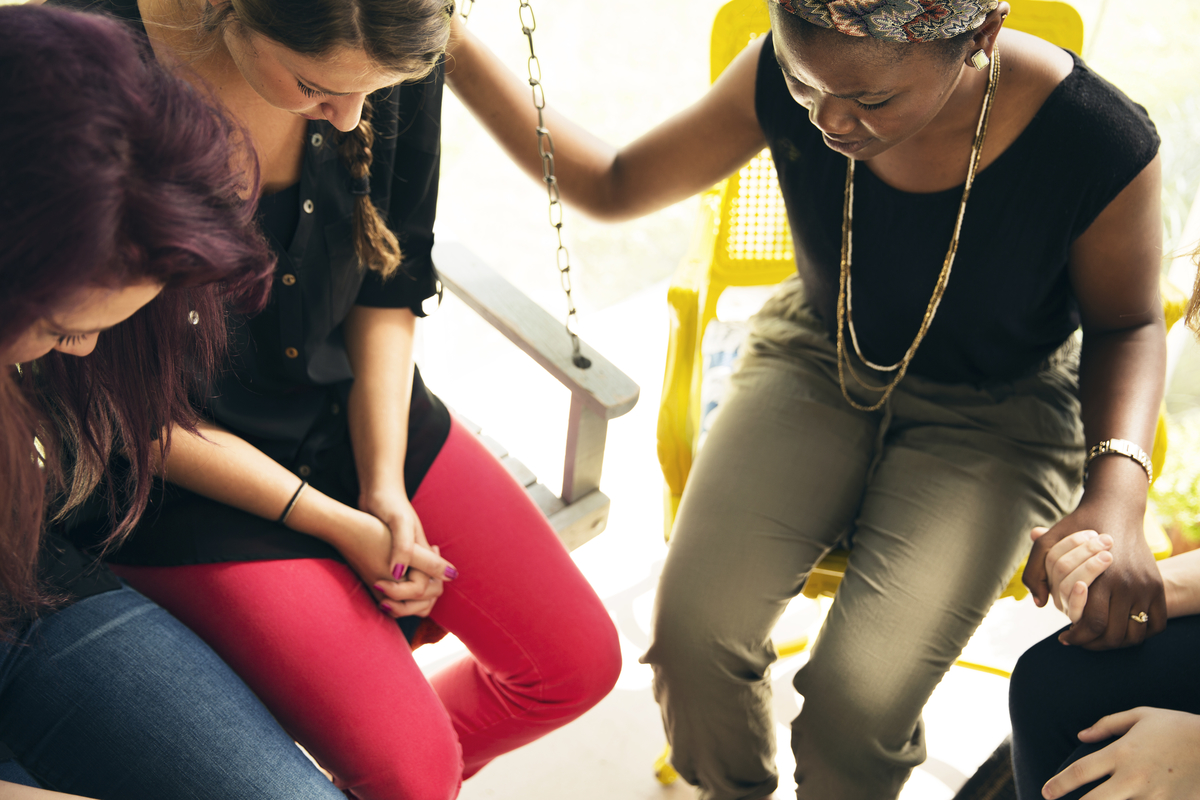
“After the first night, I was already hopeful,” Ian recalls. He was one of ten participants who met every other week for several months. That first night set the tone for creating a safe space to share, and the calming presence of the group leader helped absorb any uncertainty. Add a deep couch and some mismatched armchairs, and it felt like a cozy living room rather than a counseling group.
What stood out to Ian after that first group meeting was how the other participants shared in his struggle with anxiety. “I needed to be reminded that when you’re in community with other people with similar struggles, it’s encouraging to remember you’re not alone.”
Anxiety grows in times of loneliness and isolation like kindling to a flame—the more it’s stoked, the more it builds. Surrounding yourself with safe people and sharing from a place of vulnerability dumps a bucket of water on that kindling of anxiety so it doesn’t continue to grow.
“There’s so much stigma attached to anything that impacts cognitive function,” Ian says as he recounts his group experience. “The church is not immune. However, within the cohort there was never a moment when I felt like I was just a problem to be solved or that I was somehow less of a Christian for having this struggle.”
During the cohort, Ian learned practical tools for managing anxiety, including a deeper understanding of the mind/body connection. “I knew I was anxious, but I couldn’t tell you why,” Ian remembers.
Through the tools presented in the group, Ian learned how to identify triggers, name what was making him anxious, and begin to diffuse his anxiety before it started managing him. All the while, reminding himself that his identity is in Christ and not in his struggle with anxiety.
Learning these tools in the context of community enhanced the experience. Doing the work of change is hard, but as Ian shares, “When you have a dynamic sounding board in real time, that’s much more powerful than independent study.”
Ian continues to speak with people about his life-changing experience and how he uses the tools he learned. This fall, he will even be leading a cohort of his own.
His encouragement is simple: “If you struggle with anxiety, go to this group.” It can be hard to see redeeming qualities when you’re in the middle of a trial. But as Ian puts it, “I had to remind myself that God makes beauty from ashes. Now I see how God has used what was admittedly one of the darkest times of my life for his glory.”
To learn more about Soul Care Groups, go to yourchurch.com/soulcare.