This is part 3 of a three-part series. Taken from the sermon “Lament for our Land: The Sorrow of Devaluing the Image of God” by Mark Vroegop. Read Part 1 and Part 2.
Let’s now take what we’ve learned about the concept of the image of God and apply it to a number of areas related both to lament and how we view humanity.
How should we think and pray as we interpret our culture through the lens of lament?
1. Abortion
Even though Roe v. Wade has been overturned by the Supreme Court, the matter of abortion remains one of grave concerns for Christians in the United States and around the world.
But the problem is not only abortion, but also its effects. For every baby that is aborted, there is a woman and perhaps a man who even today deal with the fallout and regret of that decision. The number of people within the church who could be described as “post-abortive” is much higher than many of us realize. With 70 percent of those who have had abortions professing some kind of religious background, there is a very good chance that some of you reading this fall in to that category or know someone who does. And I want you to know that Jesus died for every sin that separates us from God, including abortion. I want to assure you that “where sin abounded, grace abounds all the more!” (Rom. 5:20). I want to assure you of God’s love, compassion, and forgiveness.
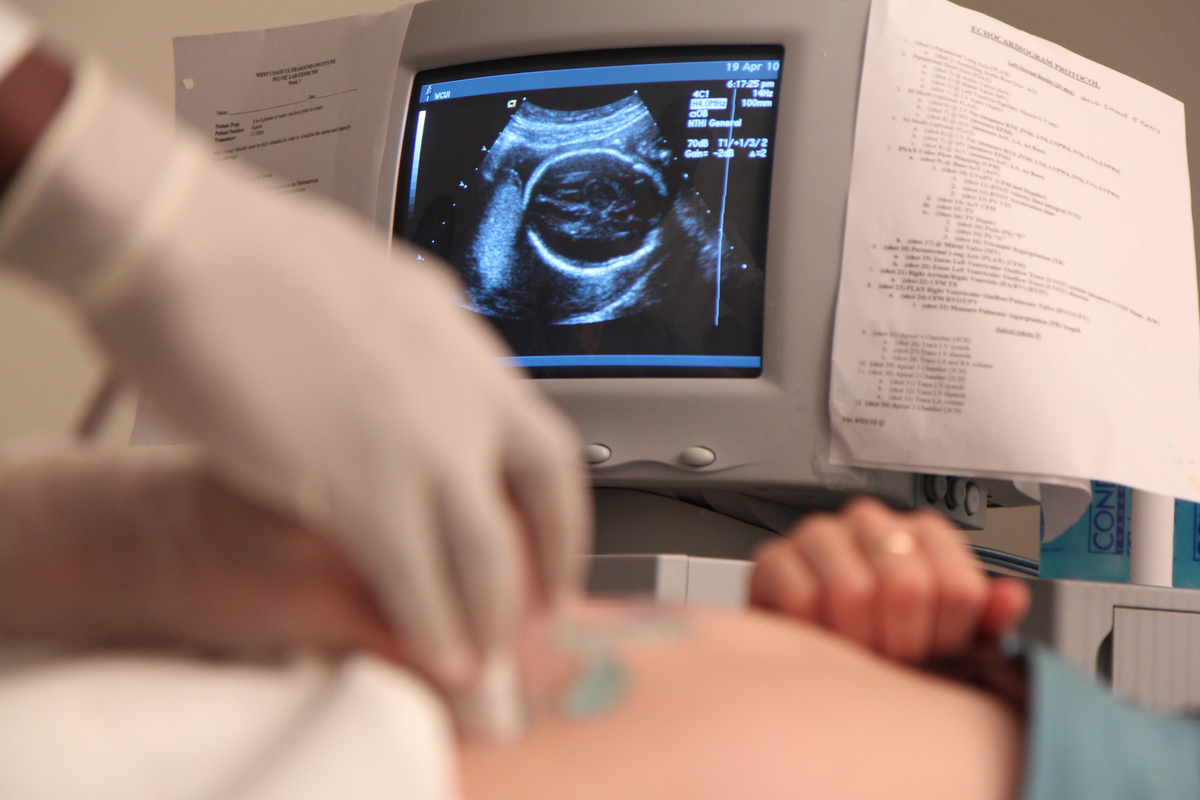
The image of God means not only that life beings at conceptions, but that every two-celled zygote bears the image of God. Even if it could not survive outside the womb on its own, even if he or she has no observable body parts, and even if it has no functionality in the world, he or she still bears God’s image. Why? Because image is connected to being, to divine imprint, and to something beyond us.
So, let us lament the millions of children who were never born. Let us lament the shedding of innocent blood in our land. Let us lament the moment when a mother decides that her body is more valuable than a baby’s body. Let us lament the trafficking of convenience, expediency, and even the body parts of aborted children. Let us lament the “spin” language that makes abortion pro-choice. Let us lament the pain and regret that some have to battle every day. Let us lament a culture for which this issue has become far too common and much too tolerable.
2. Racism
The devaluing of image happens not only in the womb, but it also happens in our culture when one person thinks, feels, or acts as if another person is less valuable. When it comes to racism, that happens because a person comes to believe overtly or subtly that there is something superior about one race over another. What happens in racism is that some value other than the image of God becomes the foundational value. Pride, fear, control, ignorance, greed, or any number of other issues eclipse the value of the image of God.
In a 1965 sermon at Ebenezer Baptist Church titled “The American Dream,” Martin Luther King, Jr. talked about the image of God like this:
“The image of God is the idea that all men have something within them that God injected. Not that they have substantial unity with God, but that every man has a capacity to have fellowship with God. And this gives him a uniqueness, it gives him worth, it gives him dignity. And we must never forget this as a nation: There are no gradations in the image of God. Every man from a treble white to a bass black is significant on God’s keyboard, precisely because every man is made in the image of God. One day we will learn that. We will know one day that God made us to live together as brothers and to respect the dignity and worth of every man. This is why we must fight segregation with all of our nonviolent might.”
If the church of Jesus understands the theological reality of bearing the image of God, if we understand that our common problem is sin, and if we know that the gospel can unite us then the church (of all places!) —this church—should be a place with beautiful Jesus-magnifying oneness. Those who have tasted the beauty of the gospel should be more compassionate, more forgiving, more intentional in diversity, and more passionate for racial reconciliation than anyone else.
So, let us lament the scourge of racism that has been a part of our nation’s history. Let us lament that it wasn’t that long ago that buses and schools and restaurants and bathrooms were segregated. Let us lament hurtful words, oppressive behavior, and community rejection. Let us lament the distorted view of who is really valuable. Let us lament the pain that still lies beneath the surface. Let us lament the walls of separation, the misunderstandings, and the guardedness that we still feel. And let us lament cultural forces, economic realities, and institutionalized bias that exists in reality and in perception. Let us long for a day when, with one voice, we will glorify the God and Father of our Lord Jesus Christ.
3. Disabilities
This is different from abortion and racism in many ways, and yet I want to include it because it is very relevant to this topic of bearing God’s image. It is different, of course, in that abortion and racism are wrong and having a disability is not. But I want to tune your heart to this issue as well.
Remember, image is about divinely given value, not function. By definition, a person with a disability, and a family affected by a disability, have a function that is less than our culture’s ideal. That is what the word “disability” means. Whether it is a child or an adult, to have a disability means that you are functionally different. But while that may be true, a disabled person is no less valuable. Why? Because their value does not exist in function. Their ultimate value rests on the imprint of God upon them.
Once again, who should understand this better than a Christian? I would say no one! We should see something different when we see a disabled person. We should see past the disability and past our functional differences. We should see them as a person made in the image of God, and we should celebrate the imprint of God in them that surpasses any functional gap. And if they are a follower of Jesus, we should long for the day when disabilities will be no more.
So let us lament the brokenness in the created order that causes disabilities. Let us lament the frustrating limitations and the daily challenges that are part of a disabled person’s life. Let us lament the rejection that they’ve felt. Let us lament the distance that a disability needlessly creates just because the person is different. Let us lament the lack of concern and sensitivity that our brothers and sisters, fathers and mothers often feel.
Tune Your Hearts
To bear the image of God means that there is something about the very being of God in a human being. We could press this subject further into orphans, immigrants, the elderly, the incarcerated, and the poor. And you should.
Christian lament interprets the world. It sees a “thing,” but it sees “the thing” underneath and “the thing” above. When it comes to humanity, Christians see something (at least we should) different when we see a human. And if we know we should see something different and we don’t, or if we don’t feel something that we should, we need to use the grace of lament to tune our hearts to long for the blessings of Christ to flow as far as the curse is found.
To learn more about lament, check out the sermon series Lamentations: Dark Clouds, Deep Mercy.